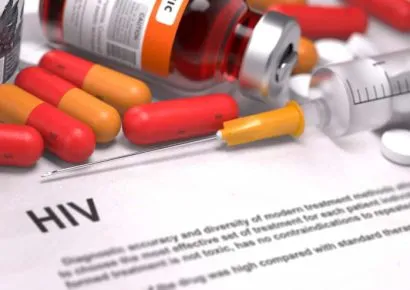
Certificate Course in HIV Medicine
Gain skills in HIV diagnosis, treatment, prevention, counseling, and patient care in Certificate Course in HIV Medicine.
Course Overview
The Certificate in HIV Medicine provides healthcare professionals with comprehensive knowledge of HIV prevention, diagnosis, and patient-centered management. This program covers current treatment guidelines, antiretroviral therapy, co-infection care, and counseling strategies. Designed for doctors, nurses, and allied health workers, it enhances clinical competence and prepares learners to deliver effective, compassionate HIV care in diverse healthcare settings through practical case studies, expert instruction, and evidence-based clinical skill development for improved outcomes.
What You'll Learn
Fundamentals of HIV biology, transmission, and epidemiology
HIV testing methods, diagnosis, and interpretation of results
Principles and protocols of antiretroviral therapy (ART)
Management of opportunistic infections and co-morbid conditions
HIV care in special populations, including pregnant women and children
Counseling techniques for adherence, prevention, and stigma reduction
Monitoring treatment response and handling drug resistance
Ethical, legal, and public-health aspects of HIV care
Requirements
Curriculum
4 Sections · 42 Lessons · 6 Months
01Basic HIV Primary Care11 lessons
- Introduction to HIV/AIDS: global and national epidemiology
- Natural history and pathogenesis of HIV infection
- Transmission and prevention of HIV
- Clinical staging of HIV disease (WHO clinical staging)
- Common opportunistic infections (OIs) and their presentation
- Principles of primary prophylaxis (Cotrimoxazole, IPT etc.)
- Symptom-directed history taking and examination in HIV patients
- Nutrition, positive living and adherence counseling
- Universal safety precautions and PEP (post-exposure prophylaxis)
- Care of PLHIV in outpatient and community settings
- Palliative care and end-of-life issues
02AIDS Control Programme7 lessons
- Evolution and objectives of National AIDS Control Programme (e.g., NACP-I to NACP-IV/V in India or country-specific)
- Structure and components of the programme
- Link ART centres, ART centres, Centres of Excellence
- Care, Support and Treatment (CST) services
- National Strategic Plan (current phase)
- Role of NGOs, PLHIV networks (DAPCU, GIPA)
- Mainstreaming and Greater Involvement of People Living with HIV (GIPA)
03HIV Testing and Diagnosis11 lessons
- Types of HIV tests (ICTC, PPTCT, community-based testing)
- HIV testing strategies (Strategy I, II, III as per NACO/WHO)
- Pre-test and post-test counseling
- Window period and interpretation of HIV test results (discordant results, indeterminate WB)
- HIV-1 vs HIV-2
- Consent, confidentiality and the 3Cs (Counseling, Consent, Confidentiality)
- Testing algorithm (three consecutive reactive rapid tests)
- Quality assurance in HIV testing
- Early infant diagnosis (EID) using DNA PCR
- CD4 and Viral load testing: indications and interpretation
- HIV-2 diagnosis and co-infection issues
04Management of HIV/AIDS13 lessons
- Goals of ART and when to start ART (Treat All policy)
- First-line, second-line and third-line regimens (adults, adolescents, children, pregnant women)
- Drug dosing, side effects and toxicity monitoring
- Management of common adverse drug reactions
- Immune Reconstitution Inflammatory Syndrome (IRIS)
- Treatment failure: clinical, immunological and virological criteria
- Switching regimens and salvage therapy
- Management of common opportunistic infections:
- Prophylaxis of OIs (primary and secondary)
- Prevention of parent-to-child transmission (PPTCT) regimen
- Management of co-infections (HBV, HCV)
- Monitoring of ART (clinical, CD4, viral load)
- Drug resistance testing (when available)
Instructor
Frequently Asked Questions
Who should consider enrolling in the HIV Medicine certificate course?
What important topics are covered in the Certificate Course in HIV Medicine?
How is the Certificate in HIV Medicine delivered by DMHCA?
What professional benefits can I expect after completing this certificate?
What is the fee for the Certificate Course in HIV Medicine at DMHCA?
Can this HIV Medicine certificate from DMHCA support career growth and income potential?
Student Reviews