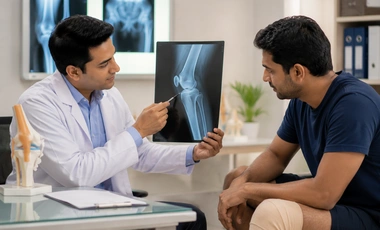
Certificate in Orthopedic and Trauma Medicine
Master musculoskeletal examination, fracture management, orthopedic trauma care, and rehabilitation principles for effective orthopedic practice.
Course Overview
Orthopedic and Trauma Medicine deals with the diagnosis, treatment, and rehabilitation of disorders affecting bones, joints, muscles, ligaments, and tendons. With the increasing burden of road traffic accidents, occupational injuries, and degenerative musculoskeletal diseases, clinicians must be well equipped to manage orthopedic conditions and trauma cases effectively. This certificate program provides structured training in musculoskeletal examination, fracture management, orthopedic emergencies, and rehabilitation principles, enabling healthcare professionals to deliver competent orthopedic care in clinical and emergency settings.
What You'll Learn
Understand the anatomy and biomechanics of the musculoskeletal system.
Perform systematic orthopedic clinical examination.
Diagnose and manage common fractures and joint injuries.
Interpret orthopedic imaging such as X-rays and basic CT findings.
Provide emergency management of orthopedic trauma.
Apply splints, casts, and immobilization techniques.
Identify conditions requiring surgical referral.
Implement rehabilitation and physiotherapy principles.
Requirements
Curriculum
6 Sections · 23 Lessons · 6 Months
01Basics of Orthopedics5 lessons
- Anatomy and physiology of bones, joints, muscles, and ligaments
- Biomechanics of the musculoskeletal system
- Principles of fracture healing
- Clinical examination of bones and joints
- Orthopedic history taking and documentation
02Orthopedic Imaging & Diagnostic Techniques5 lessons
- Interpretation of X-rays in orthopedic practice
- Basics of CT and MRI in musculoskeletal disorders
- Bone density assessment
- Laboratory investigations in orthopedic conditions
- Approach to musculoskeletal pain
03Fracture & Dislocation Management6 lessons
- Classification of fractures
- Principles of fracture management
- Closed vs open fractures
- Dislocations and subluxations
- Splints and casting techniques
- Complications of fractures
04Trauma & Orthopedic Emergencies7 lessons
- Principles of trauma care (primary and secondary survey)
- Polytrauma management
- Compartment syndrome
- Crush injuries
- Spinal trauma
- Pelvic fractures
- Initial stabilization techniques
05Common Orthopedic Disorders6 lessons
- Osteoarthritis and degenerative joint diseases
- Rheumatoid arthritis overview
- Osteoporosis and metabolic bone diseases
- Back pain and spinal disorders
- Pediatric orthopedic conditions
- Sports injuries
06Rehabilitation & Clinical Integration5 lessons
- Physiotherapy and rehabilitation principles
- Post-fracture rehabilitation
- Orthopedic aids and braces
- Pain management strategies
- Case discussions
Instructor
Frequently Asked Questions
Who is eligible for the Certificate in Orthopedic and Trauma Medicine?
What is the duration of the Certificate in Orthopedic and Trauma Medicine?
What will I learn in this orthopedic and trauma medicine certification course?
What are the career opportunities after completing this course?
What is the fee for the Certificate in Orthopedic and Trauma Medicine?
What is the salary expectation after completing the orthopedic and trauma medicine certificate?
Student Reviews