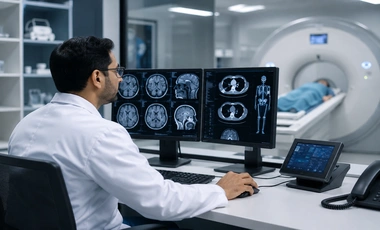
Fellowship in Radiology
Develop advanced expertise in diagnostic imaging, radiological interpretation, ultrasound, CT, MRI, and interventional radiology across multiple clinical specialties.
Course Overview
Radiology is a specialized field of medicine focused on the use of imaging technologies for the diagnosis, monitoring, and management of diseases. It plays a critical role in modern healthcare by enabling accurate, non-invasive evaluation of various organ systems through modalities such as X-ray, ultrasound, CT, MRI, and interventional imaging. The Fellowship in Radiology is designed to provide comprehensive training in imaging interpretation, radiological techniques, radiation safety, and evidence-based diagnostic practices. The program integrates theoretical knowledge with clinical application, preparing healthcare professionals to deliver high-quality imaging-based patient care across diverse clinical settings.
What You'll Learn
Understand the principles of radiological physics and imaging modalities.
Interpret X-ray, ultrasound, CT, and MRI studies across multiple organ systems.
Apply radiation safety and quality assurance practices in radiology.
Recognize normal and pathological imaging findings in clinical practice.
Develop expertise in diagnostic and interventional radiological procedures.
Utilize imaging techniques for emergency, trauma, and critical care assessment.
Enhance clinical decision-making through evidence-based image interpretation.
Collaborate effectively with multidisciplinary healthcare teams.
Maintain professional standards, patient safety, and ethical radiology practice.
Requirements
Curriculum
11 Sections · 75 Lessons · 12 Months
01Basic Imaging Physics & Radiological Techniques7 lessons
- Fundamentals of radiological physics
- Radiation safety and protection principles
- X-ray imaging techniques and quality control
- Digital radiography and PACS/RIS systems
- Contrast media: types, indications & reactions
- Image acquisition protocols and artifacts
- Radiological anatomy (cross-sectional basics)
02Musculoskeletal Radiology7 lessons
- Imaging of bone tumors and tumor-like lesions
- Arthritis and inflammatory joint disorders
- Trauma imaging (fractures & dislocations)
- Spine imaging basics
- Sports injuries imaging
- MRI in musculoskeletal disorders
- Bone densitometry (DEXA) basics
03Neuroradiology7 lessons
- CT & MRI brain protocols
- Stroke imaging (ischemic & hemorrhagic)
- Intracranial tumors and infections
- Demyelinating disorders
- Pediatric neuroimaging basics
- Spine imaging (disc disease, trauma, tumors)
- Neurovascular imaging (MRA, MRV overview)
04Chest & Cardiothoracic Imaging7 lessons
- HRCT lung interpretation
- Pulmonary infections (including TB)
- Interstitial lung diseases
- Lung nodules & malignancy imaging
- Mediastinal masses
- Cardiac CT and basics of cardiac MRI (overview)
- Pleural diseases and chest trauma
05Abdominal & Gastrointestinal Radiology7 lessons
- Liver imaging (focal & diffuse diseases)
- Pancreaticobiliary imaging
- Gastrointestinal tract imaging
- Spleen and peritoneal pathologies
- CT abdomen protocols
- MRI abdomen & MRCP basics
- Acute abdomen imaging approach
06Genitourinary & Obstetric Radiology7 lessons
- Renal imaging (stones, tumors, infections)
- Prostate imaging (overview)
- Female pelvic imaging (USG & MRI)
- Obstetric ultrasound basics
- Fetal anomaly scan principles
- Infertility imaging (overview)
- Doppler in obstetrics and gynecology
07Ultrasound & Doppler Imaging7 lessons
- Ultrasound physics and instrumentation
- Abdominal ultrasound techniques
- Small parts ultrasound (thyroid, breast, scrotum)
- Vascular Doppler studies
- Obstetric and fetal Doppler
- Interventional ultrasound guidance
- Emergency ultrasound (FAST, POCUS basics)
08Interventional Radiology7 lessons
- Principles of image-guided interventions
- Biopsy and drainage procedures
- Angiography basics
- Vascular access techniques
- Embolization (overview)
- Interventional oncology basics
- Complications and management
09Breast & Women’s Imaging6 lessons
- Mammography techniques and interpretation
- Breast ultrasound
- MRI breast (overview)
- BI-RADS classification
- Screening vs diagnostic imaging
- Image-guided breast interventions
10Pediatric Radiology6 lessons
- Neonatal imaging
- Pediatric chest and abdominal imaging
- Congenital anomalies imaging
- Pediatric neuroimaging
- Skeletal dysplasia imaging
- Radiation dose optimization in children
11Emergency & Trauma Radiology7 lessons
- Polytrauma imaging protocols
- Emergency CT interpretation
- Head injury imaging
- Acute stroke imaging pathways
- Acute abdominal emergencies
- FAST and trauma ultrasound
- ICU radiology practices
Instructor
Frequently Asked Questions
Who should enroll in the Fellowship in Radiology?
What advanced topics are included in the Fellowship in Radiology?
How is the Radiology fellowship delivered?
How will this fellowship help improve my clinical practice?
What is the fee for the Radiology fellowship?
Can this fellowship enhance my career prospects and earnings?
Student Reviews