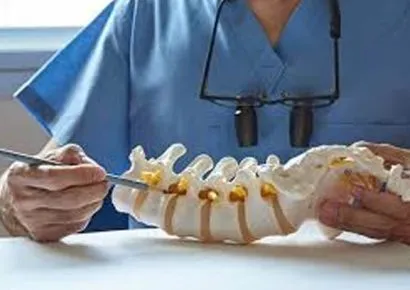
Fellowship in Spine Surgery
Master Advanced Spine Techniques: Fellowship in Spine Surgery for Comprehensive Surgical Management of Spinal Disorders.
Course Overview
A Fellowship in Spine Surgery provides advanced training in the diagnosis and surgical management of spinal disorders, including degenerative conditions, trauma, tumors, and deformities. The program focuses on both minimally invasive and complex spine surgeries, equipping fellows with hands-on experience in procedures such as spinal fusions, laminectomies, and disc replacements. Graduates will be prepared to manage a wide range of spine-related conditions with cutting-edge surgical techniques and comprehensive care strategies.
What You'll Learn
Mastery of procedures like laminectomies and discectomies to relieve pressure on spinal nerves and treat conditions such as herniated discs and stenosis.
Expertise in performing spinal fusions to stabilize the spine in cases of trauma, degenerative disease, or deformities.
Training in minimally invasive techniques that reduce recovery time and improve outcomes for patients with spinal disorders.
Skills in treating spinal deformities such as scoliosis and kyphosis through surgical techniques like osteotomies and spinal instrumentation.
Proficiency in treating spinal trauma, including fractures and dislocations, with both surgical and non-surgical approaches.
Experience with artificial disc replacement surgeries to maintain spinal motion in patients with disc degeneration.
Training in the removal of benign and malignant spinal tumors, along with reconstructive techniques to preserve spine stability.
Comprehensive understanding of rehabilitation protocols and postoperative care to maximize patient recovery and long-term outcomes.
Experience working with neurologists, oncologists, and rehabilitation specialists to provide holistic spine care.
Requirements
Curriculum
11 Sections · 66 Lessons · 12 Months
01Applied Anatomy & Biomechanics of Spine6 lessons
- Surgical anatomy of cervical, thoracic, lumbar & sacral spine
- Vertebral column biomechanics
- Spinal cord, nerve roots & vascular anatomy
- Spinopelvic parameters and sagittal balance
- Surface anatomy and surgical landmarks
- Basics of spinal instrumentation systems and implants
02Clinical Evaluation & Spine Imaging6 lessons
- Detailed spine history taking and neurological examination
- Functional scoring systems (VAS, ODI, ASIA scale)
- Radiological evaluation (X-ray, CT, MRI spine)
- Dynamic spine imaging interpretation
- Preoperative planning and case selection
- Differential diagnosis of spinal pathologies
03Degenerative Cervical Spine Disorders6 lessons
- Cervical disc herniation
- Cervical spondylotic myelopathy
- Cervical radiculopathy
- Ossification of posterior longitudinal ligament (OPLL) – overview
- Anterior vs posterior cervical approaches
- ACDF and cervical decompression (principles)
04Degenerative Lumbar & Thoracic Spine Disorders6 lessons
- Lumbar disc prolapse
- Lumbar canal stenosis
- Spondylolisthesis
- Thoracic disc disease (overview)
- Degenerative scoliosis
- Indications for decompression and fusion
05Spine Trauma & Emergency Management7 lessons
- ATLS protocol in spinal trauma
- AO spine fracture classification
- Cervical spine injuries
- Thoracolumbar fractures
- Spinal cord injury assessment (ASIA grading)
- Emergency stabilization and surgical timing
- Bracing and immobilization techniques
06Spinal Deformity Surgery6 lessons
- Adolescent idiopathic scoliosis
- Congenital and neuromuscular scoliosis
- Adult spinal deformity
- Kyphosis and sagittal imbalance
- Cobb angle measurement
- Principles of deformity correction and osteotomies (overview)
07Pediatric Spine Disorders5 lessons
- Congenital spinal anomalies
- Early-onset scoliosis
- Pediatric spinal trauma
- Spina bifida & tethered cord (overview)
- Growth-friendly instrumentation concepts
08Spinal Tumors & Infections6 lessons
- Primary and metastatic spinal tumors
- Spinal tuberculosis (Pott’s spine)
- Discitis and vertebral osteomyelitis
- Biopsy techniques and staging
- Medical vs surgical management
- Reconstruction principles after tumor surgery
09Minimally Invasive & Endoscopic Spine Surgery6 lessons
- Principles of minimally invasive spine surgery (MISS)
- Microdiscectomy techniques
- Endoscopic spine surgery (overview)
- Percutaneous pedicle screw fixation
- Vertebroplasty and kyphoplasty (principles)
- Image-guided and navigation-assisted spine surgery
10Advanced Instrumentation & Fusion Techniques6 lessons
- Pedicle screw insertion techniques
- Rod systems and fixation biomechanics
- Interbody fusion techniques
- Navigation and intraoperative neuromonitoring
- Revision spine surgery (basics)
- Implant selection and complication avoidance
11Spine Pain Management & Rehabilitation6 lessons
- Chronic low back pain management
- Facet joint syndrome
- Epidural steroid injections (principles)
- Nerve root blocks & radiofrequency ablation (overview)
- Postoperative rehabilitation protocols
- Multidisciplinary pain management approach
Instructor
Frequently Asked Questions
Who can apply for the DMHCA Spine Surgery fellowship?
What does the Fellowship in Spine Surgery cover?
How is the Spine Surgery fellowship delivered?
What career advantages can I gain after completing this fellowship?
What is the fee for the Fellowship in Spine Surgery?
Can completing this fellowship increase my income and clinical stature?
Student Reviews