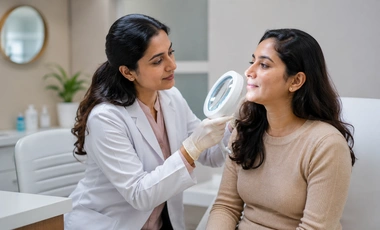
PG Diploma in Dermatology
Gain practical expertise in diagnosing and managing skin, hair, nail, and sexually transmitted disorders through comprehensive dermatology training.
Course Overview
Dermatology is a branch of medicine concerned with the diagnosis and management of diseases of the skin, hair, nails, and mucous membranes. With increasing incidence of infections, allergies, autoimmune disorders, and cosmetic concerns, dermatology has become a highly relevant specialty in clinical practice. Common conditions such as Acne Vulgaris, Psoriasis, and Atopic Dermatitis significantly impact quality of life. A PG Diploma in Dermatology (12 months) is designed to provide practical, clinically oriented training in diagnosing and managing a wide range of dermatological conditions. The course integrates clinical dermatology, venereology, leprology, and cosmetology, with emphasis on evidence-based and patient-centered care.
What You'll Learn
Understand the structure and function of skin and appendages
Perform thorough dermatological examination and diagnosis
Identify and manage common skin diseases
Diagnose and treat sexually transmitted infections (STIs)
Recognize leprosy and other chronic infectious diseases
Interpret laboratory and diagnostic tests (KOH, biopsy, etc.)
Prescribe appropriate topical and systemic therapies
Perform basic dermatological procedures
Manage cosmetic and aesthetic conditions
Educate patients on skin care, hygiene, and prevention
Requirements
Curriculum
10 Sections · 38 Lessons · 12 Months
01Basic Dermatology4 lessons
- Structure and function of skin
- Dermatological terminology
- Lesion morphology and classification
- Clinical examination of skin
02Diagnostic Techniques4 lessons
- Skin biopsy and histopathology basics
- KOH examination and fungal studies
- Dermoscopy basics
- Patch testing and allergy testing
03Bacterial & Viral Skin Infections3 lessons
- Pyoderma, cellulitis, tuberculosis of skin
- Viral infections (warts, herpes, molluscum)
- Management and prevention
04Fungal & Parasitic Infections4 lessons
- Dermatophytosis (tinea)
- Candidiasis
- Scabies, pediculosis
- Deep fungal infections
05Inflammatory & Allergic Disorders4 lessons
- Eczema and dermatitis
- Atopic Dermatitis
- Urticaria and drug reactions
- Contact dermatitis
06Papulosquamous Disorders4 lessons
- Psoriasis
- Lichen planus
- Pityriasis rosea
- Scaling disorders
07Pigmentary & Hair Disorders4 lessons
- Vitiligo
- Hyperpigmentation disorders
- Alopecia (hair loss conditions)
- Nail disorders
08Sexually Transmitted Infections (STIs)4 lessons
- Syphilis, gonorrhea, chlamydia
- Genital herpes and warts
- HIV-related skin conditions
- Counseling and prevention
09Leprosy & Systemic Diseases3 lessons
- Leprosy classification and management
- Cutaneous manifestations of systemic diseases
- Autoimmune skin disorders
10Therapeutics & Cosmetic Dermatology4 lessons
- Topical and systemic drugs
- Steroids, immunosuppressants
- Basic dermatological procedures (cryotherapy, cautery)
- Acne management and cosmetic treatments
Instructor

Frequently Asked Questions
Who should pursue the PG Diploma in Dermatology?
What topics are included in the PG Diploma in Dermatology?
How is the PG Diploma in Dermatology delivered?
What career benefits can I expect after completing this diploma?
What is the fee for the PG Diploma in Dermatology?
Can this PG Diploma improve professional credibility and earning potential?
Student Reviews