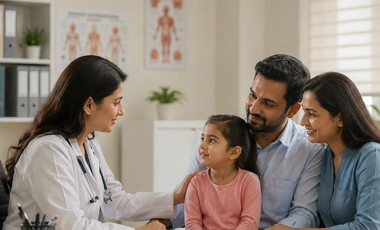
PG Diploma in Family Medicine
Develop expertise in comprehensive primary care, preventive medicine, chronic disease management, and community-based healthcare for individuals and families.
Course Overview
The Postgraduate Diploma in Family Medicine is a specialized medical training program designed to prepare healthcare professionals to provide comprehensive, continuous, and community-based healthcare for individuals and families. Family medicine focuses on the holistic management of patients across all age groups, including prevention, diagnosis, treatment, and rehabilitation of common medical conditions. The program emphasizes primary care, patient-centered treatment, preventive medicine, and community health. This course equips practitioners with skills to manage acute and chronic diseases, maternal and child health, geriatric care, and lifestyle disorders, making them capable of delivering effective healthcare in clinics, hospitals, and community settings.
What You'll Learn
Provide primary healthcare services for individuals and families
Diagnose and manage common medical conditions
Promote preventive healthcare and health education
Manage chronic diseases and lifestyle disorders
Provide maternal, child, and geriatric care
Develop skills for community-oriented healthcare practice
Requirements
Curriculum
12 Sections · 47 Lessons · 12 Months
01Introduction to Family Medicine4 lessons
- Principles and scope of family medicine
- Role of family physician in healthcare
- Patient-centered care approach
- Medical ethics and professionalism
02Primary Care Medicine4 lessons
- Diagnosis and management of common illnesses
- Respiratory diseases
- Gastrointestinal disorders
- Infectious diseases
03Preventive and Community Medicine4 lessons
- Health promotion and disease prevention
- Immunization programs
- Screening and early detection of diseases
- Public health policies
04Maternal and Child Health4 lessons
- Antenatal and postnatal care
- Normal delivery basics
- Pediatric growth and development
- Childhood illnesses and immunization
05Management of Chronic Diseases4 lessons
- Diabetes management
- Hypertension and cardiovascular diseases
- Thyroid disorders
- Asthma and COPD
06Geriatric Medicine3 lessons
- Health issues in elderly patients
- Chronic disease management
- Rehabilitation and palliative care
07Mental Health in Primary Care4 lessons
- Depression and anxiety disorders
- Stress management
- Substance abuse disorders
- Counseling techniques
08Emergency and Acute Care4 lessons
- Basic life support (BLS)
- Management of medical emergencies
- Trauma care basics
- Poisoning and acute infections
09Nutrition and Lifestyle Medicine4 lessons
- Balanced diet and nutrition planning
- Obesity management
- Lifestyle modification
- Preventive strategies for chronic diseases
10Clinical Skills and Diagnostics4 lessons
- Physical examination techniques
- Laboratory investigations
- Interpretation of diagnostic tests
- Clinical decision-making
11Practice Management4 lessons
- Setting up a family practice clinic
- Medical record management
- Healthcare communication
- Telemedicine and digital health
12Clinical Training and Case Studies4 lessons
- Patient consultation and case management
- Community health visits
- Case presentations
- Clinical rotations
Instructor

Frequently Asked Questions
Who should pursue the PG Diploma in Family Medicine?
What topics are included in the PG Diploma in Family Medicine?
How is the PG Diploma in Family Medicine delivered?
What career benefits can I expect after completing this diploma?
What is the fee for the PG Diploma in Family Medicine?
Can this PG Diploma improve professional credibility and earning potential?
Student Reviews