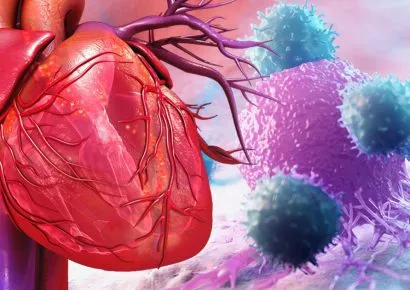
Fellowship in Clinical Cardiology
Become a Leader in Heart Health: Fellowship in Clinical Cardiology for Advanced Cardiovascular Care and Expertise
Course Overview
A Fellowship in Clinical Cardiology offers specialized training in diagnosing, managing, and treating a wide range of cardiovascular diseases. The program focuses on non-invasive and invasive cardiac procedures, patient care, and the latest advancements in cardiology. Fellows gain hands-on experience in echocardiography, cardiac catheterization, stress testing, and management of heart failure, preparing them for leadership roles in clinical cardiology and patient-centered cardiovascular care.
What You'll Learn
In-depth knowledge of diagnosing and managing coronary artery disease, heart failure, arrhythmias, and valvular heart diseases.
Mastery of non-invasive diagnostic tools such as echocardiography, stress testing, and Holter monitoring.
Hands-on training in performing cardiac catheterization for diagnostic and therapeutic purposes, including angiography and coronary interventions.
Expertise in advanced heart failure therapies, including medication management, device therapy, and patient care strategies.
Exposure to advanced cardiac imaging techniques like CT angiography, cardiac MRI, and nuclear imaging for detailed heart assessments.
Skills in managing arrhythmias, including pharmacologic treatment and device-based therapies like pacemakers and defibrillators.
Training in lifestyle modification, risk factor management, and preventive strategies for reducing cardiovascular disease burden.
Requirements
Curriculum
12 Sections · 70 Lessons · 12 Months
01Basic Cardiovascular Sciences & Clinical Evaluation6 lessons
- Anatomy and physiology of the cardiovascular system
- Cardiovascular examination techniques
- Approach to chest pain
- Interpretation of ECG (basics)
- Cardiac biomarkers
- Risk factors and prevention of cardiovascular disease
02Electrocardiography & Cardiac Monitoring6 lessons
- Advanced ECG interpretation
- Arrhythmia recognition
- Holter monitoring
- Ambulatory BP monitoring
- Event recorders
- Stress testing (TMT)
03Ischemic Heart Disease6 lessons
- Stable angina
- Acute coronary syndrome (STEMI/NSTEMI)
- Thrombolysis principles
- Post-MI management
- Secondary prevention
- Cardiac rehabilitation
04Heart Failure & Cardiomyopathies6 lessons
- Acute and chronic heart failure
- HFrEF and HFpEF
- Dilated cardiomyopathy
- Hypertrophic cardiomyopathy
- Restrictive cardiomyopathy
- Pharmacological management
05Valvular Heart Disease6 lessons
- Mitral valve disorders
- Aortic valve disorders
- Tricuspid and pulmonary valve disease
- Rheumatic heart disease
- Prosthetic valves
- Indications for surgical referral
06Hypertension & Preventive Cardiology6 lessons
- Primary hypertension
- Secondary hypertension
- Hypertensive emergencies
- Lipid disorders
- Lifestyle interventions
- Cardiovascular risk stratification
07Echocardiography & Cardiac Imaging6 lessons
- Basics of 2D echocardiography
- Doppler echocardiography
- Stress echocardiography (overview)
- Transesophageal echocardiography (overview)
- Cardiac CT and MRI (overview)
- Interpretation of echo findings
08Arrhythmias & Electrophysiology6 lessons
- Supraventricular tachycardia
- Atrial fibrillation
- Ventricular tachycardia
- Heart blocks
- Pacemaker basics
- Indications for ICD and CRT
09Congenital & Structural Heart Disease6 lessons
- Atrial septal defect
- Ventricular septal defect
- Patent ductus arteriosus
- Tetralogy of Fallot (overview)
- Adult congenital heart disease
- Structural interventions (overview)
10Peripheral Vascular & Aortic Diseases6 lessons
- Peripheral arterial disease
- Deep vein thrombosis
- Pulmonary embolism
- Aortic aneurysm
- Aortic dissection
- Vascular ultrasound basics
11Cardiac Emergencies & Critical Care Cardiology6 lessons
- Cardiogenic shock
- Cardiac arrest management
- Acute pulmonary edema
- Life-threatening arrhythmias
- Post-resuscitation care
- ICU cardiac monitoring
12Ethics & Clinical Integration4 lessons
- Evidence-based cardiology
- Clinical audit and case presentations
- Ethics and medico-legal aspects
- Preventive cardiology practice
Instructor

Frequently Asked Questions
Who is eligible for this fellowship?
What is the duration of this fellowship?
Can I pursue it after MBBS?
What career opportunities are available after completion?
What is the fee for this fellowship?
What is the salary after completion?
Student Reviews